District Guide
Dumka
Tourist Places in Dumka Jharkhand — Maluti Temple Village, Masanjore Dam & Basukinath
Dumka is the administrative capital of the Santhal Pargana — the six-district eastern region of Jharkhand where the Santhal tribal community forms the dominant indigenous group. The Santhal are the largest tribal community in India, and the Dumka region is the cultural heartland of the Santhal Pargana — the area from which the Santhal Hool (rebellion) of 1855 launched the first major armed tribal uprising against British colonial authority in eastern India.
Maluti, 65 km from Dumka, is one of the most extraordinary village heritage sites in India — a rural settlement of 72 terracotta temples built between the 17th and 19th centuries by the local Raj family, concentrated in a 200-metre stretch of a small village. The temples range in style from Rekha (towered shrine) to Chala (curved roof) and Ratna (multi-spired) — a catalogue of Bengal temple architecture in terracotta panels depicting the Ramayana, Mahabharata, and folk narratives, many still intact despite decades of neglect. The Archaeological Survey of India has begun conservation work but much of the village temple landscape remains in raw, unmanaged condition.
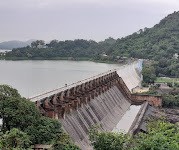
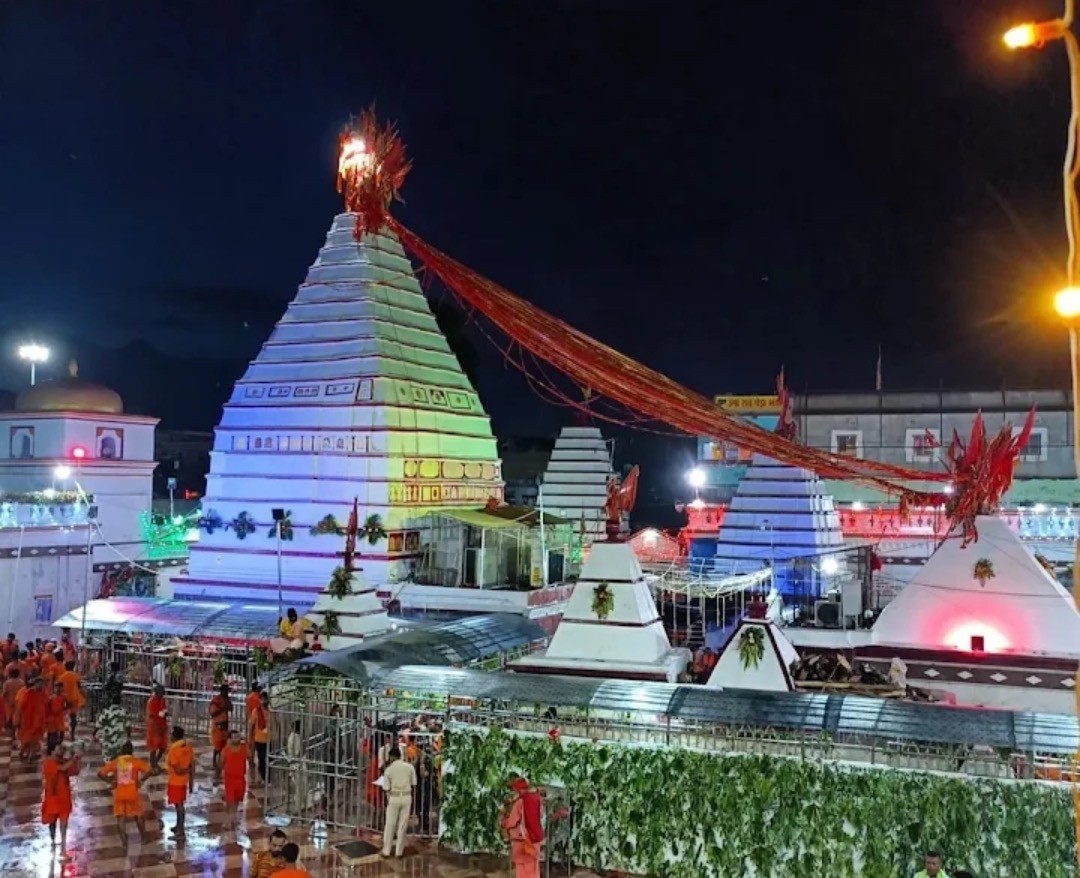
Masanjore Dam (known locally as Canada Dam, financed partly by Canadian aid) on the Mayurakshi River creates a 67 sq km reservoir that is Dumka district's largest water body and a scenic destination for boating and reservoir-edge drives. Basukinath Temple, 45 km from Dumka, is the traditional second stop on the Baidyanath Dham pilgrimage circuit — a Shiva temple at the confluence of two seasonal streams, significant during the Shravan pilgrimage month.
All Destinations(7)
 Dam & LakeFeatured
Masanjore Dam (Canada Dam)
Masanjore Dam Dumka — Canada Dam Reservoir on Mayurakshi River 290 km from Ranchi
 TempleFeatured
Basukinath Temple
Basukinath Temple Dumka — Major Shiva Jyotirlinga Pilgrimage 295 km from Ranchi
 Waterfall
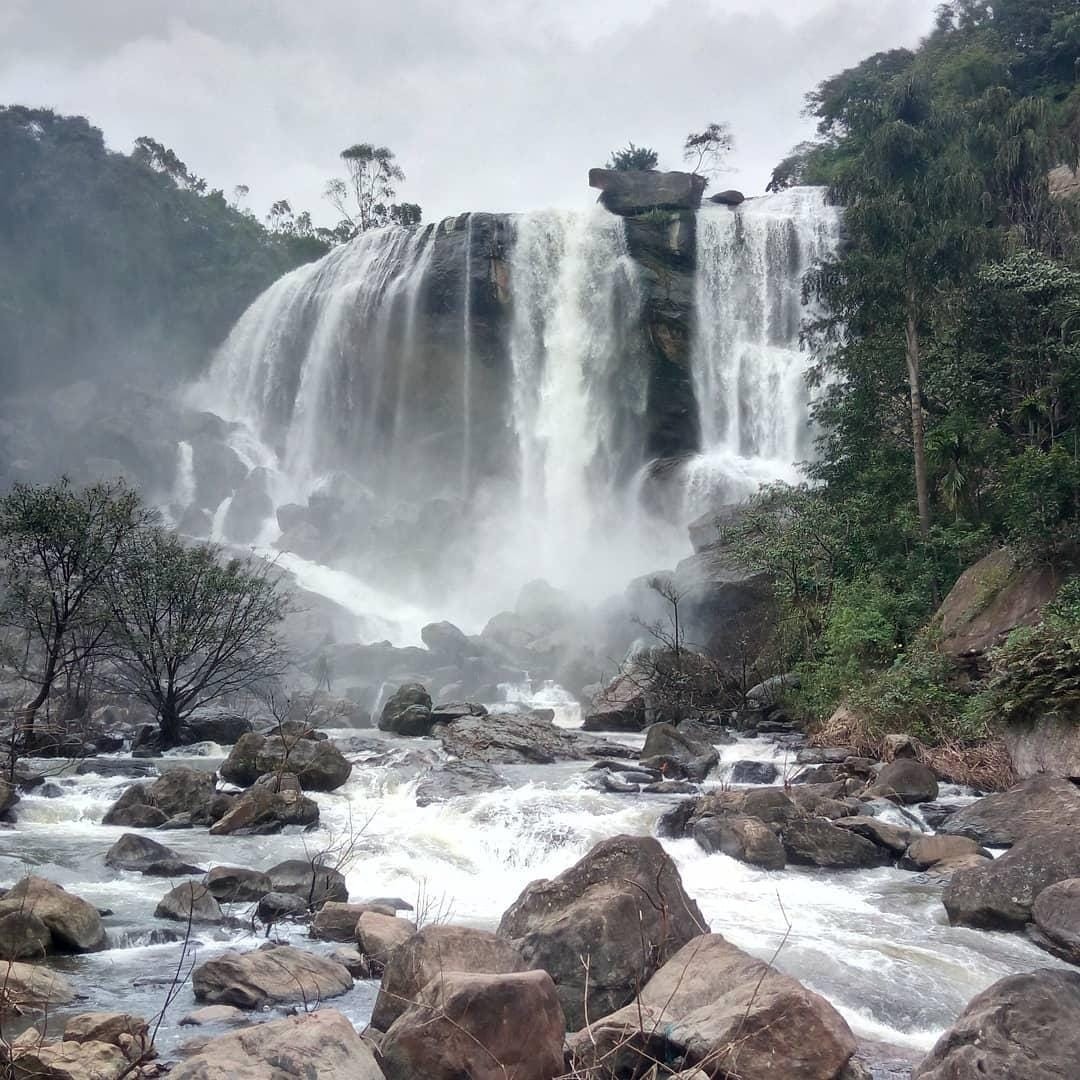
Kathikund Waterfall, Dumka
Kathikund Waterfall Dumka — Hidden Waterfall in Santhal Parganas Forest, Jharkhand
 Wildlife Sanctuary
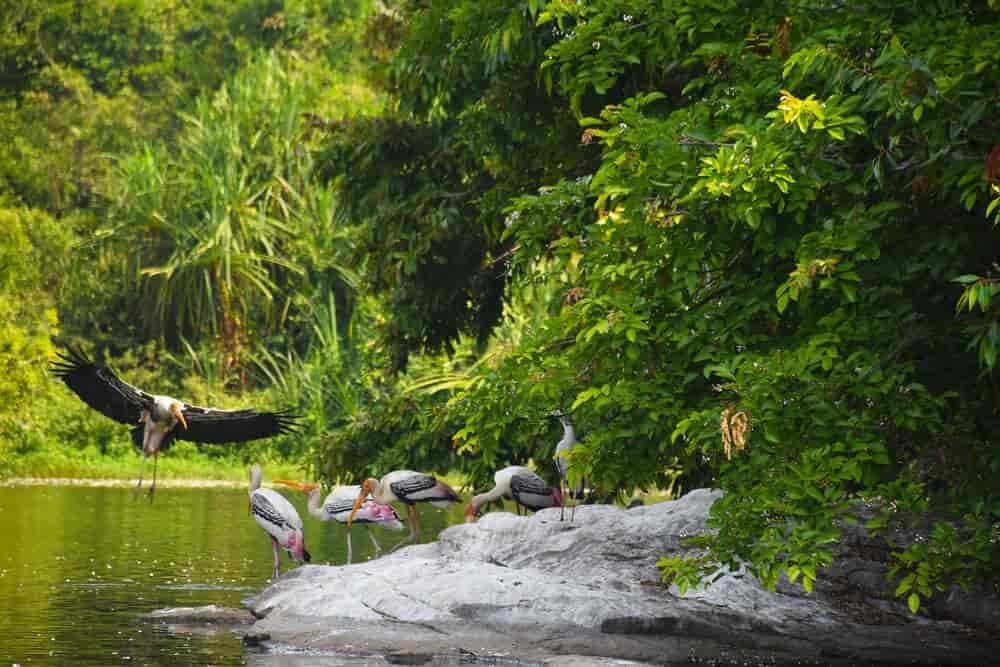
Shikaripara Wildlife Sanctuary, Dumka
Shikaripara Wildlife Sanctuary Dumka — Elephants & Forest, Santhal Parganas, Jharkhand
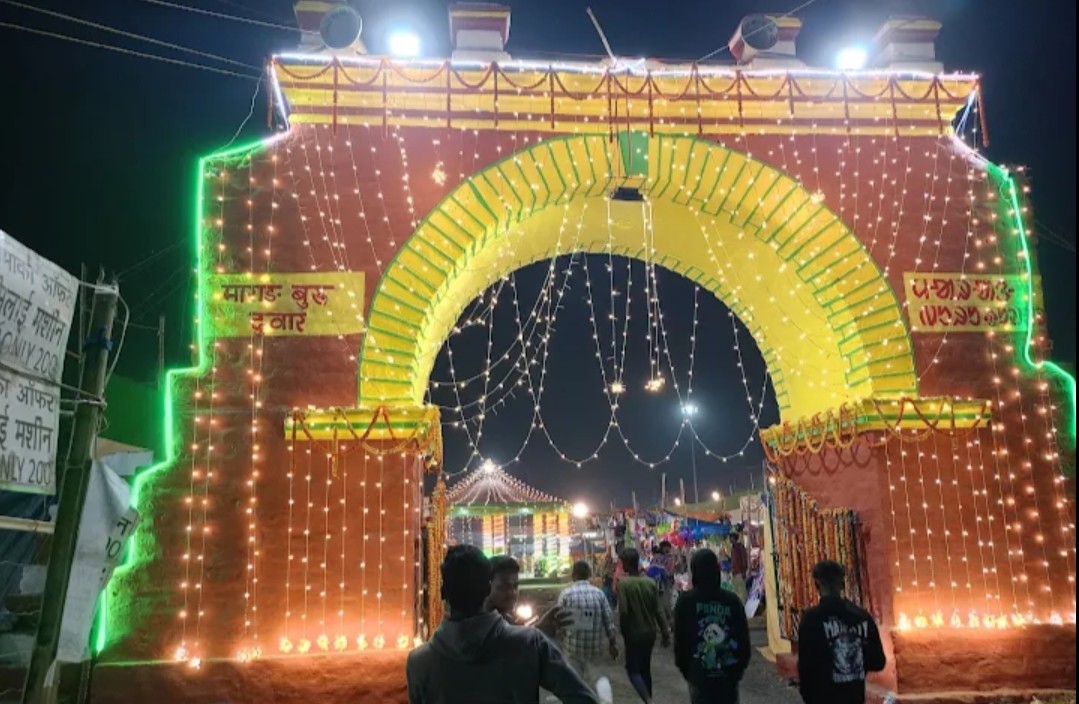 Tribal Heritage
Dumka Santhali Heritage Village Circuit
Dumka Santhali Village Heritage — Tribal Culture & Scroll Painting, Jharkhand
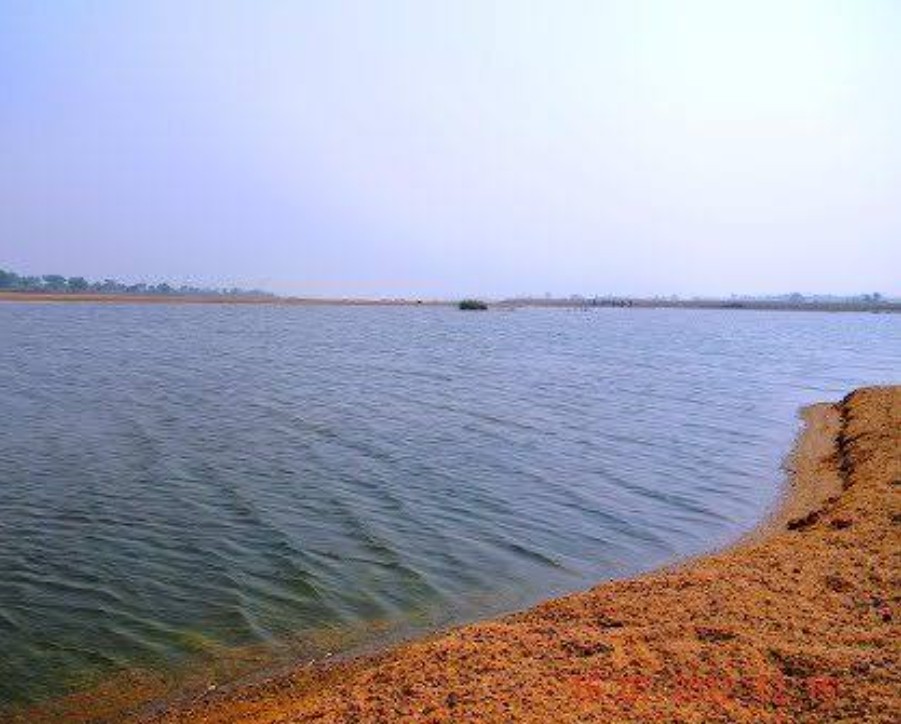 River Valley
Mayurakshi River Valley, Dumka
Mayurakshi River Valley Dumka — Forest River Trail & Scenic Valley, Jharkhand
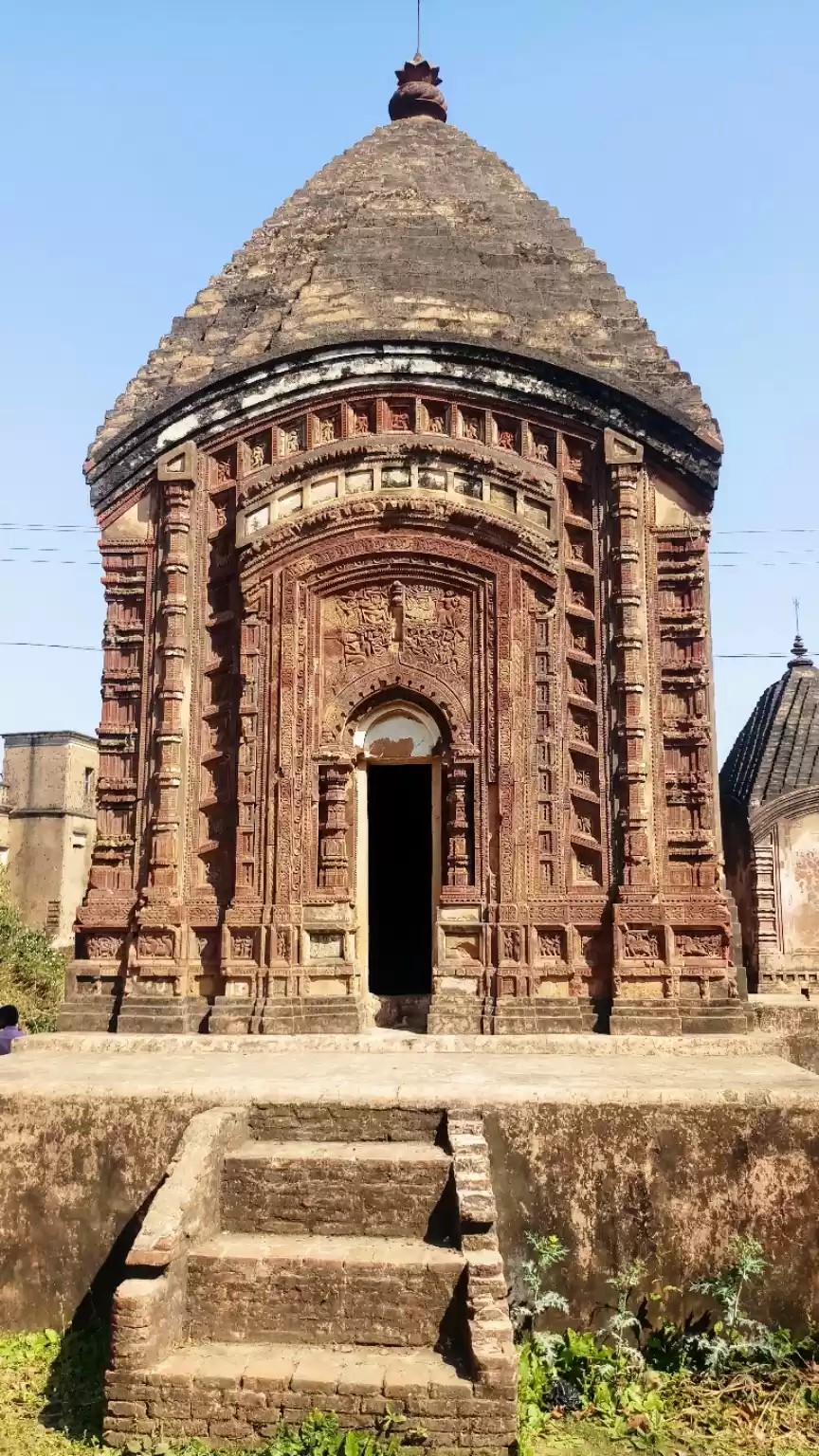
Maluti Temple Village
Maluti Temple Village Jharkhand — 72 Terracotta Temples from the 17th Century in Dumka District
How to Reach Dumka
- 1Dumka: 290 km from Ranchi via Deoghar — 6 hours; or 265 km via Giridih–Pakur route
- 2Jasidih Junction (50 km from Dumka) for trains from Kolkata and Patna; Dumka station on Jasidih–Dumka branch
- 3Maluti: 65 km from Dumka town
- 4State buses from Ranchi to Dumka run via Deoghar
Frequently Asked Questions About Dumka
Common questions about visiting Dumka, Jharkhand
Maluti in Dumka district is famous for 72 terracotta temples built between the 17th and 19th centuries in a single village — one of the densest concentrations of historical temples in India. The temples display Bengal terracotta temple architecture across multiple styles (Rekha, Chala, Ratna). Located 65 km from Dumka, 290 km from Ranchi.
Dumka is 290 km from Ranchi via Deoghar (6 hours by car). Dumka railway station is on the Jasidih–Dumka branch line — connect via Jasidih Junction from Kolkata or Patna.
Masanjore Dam (Canada Dam) in Dumka is a reservoir on the Mayurakshi River creating a 67 sq km lake. Financed partly by Canadian aid in the 1950s, it is the largest water body in Dumka district and a scenic destination for boating and reservoir drives. Best visited October–February.
Plan Your Trip to Dumka
Browse tour packages, book hotels, or hire a car for your Dumka journey.