Isko Village Rock Art
Isko Village Rock Art Hazaribagh — Ancient Petroglyphs and Paintings 115 km from Ranchi
Jharkhand's Prehistoric Gallery — 5,000-Year-Old Rock Paintings Near Hazaribagh
About Isko Village Rock Art
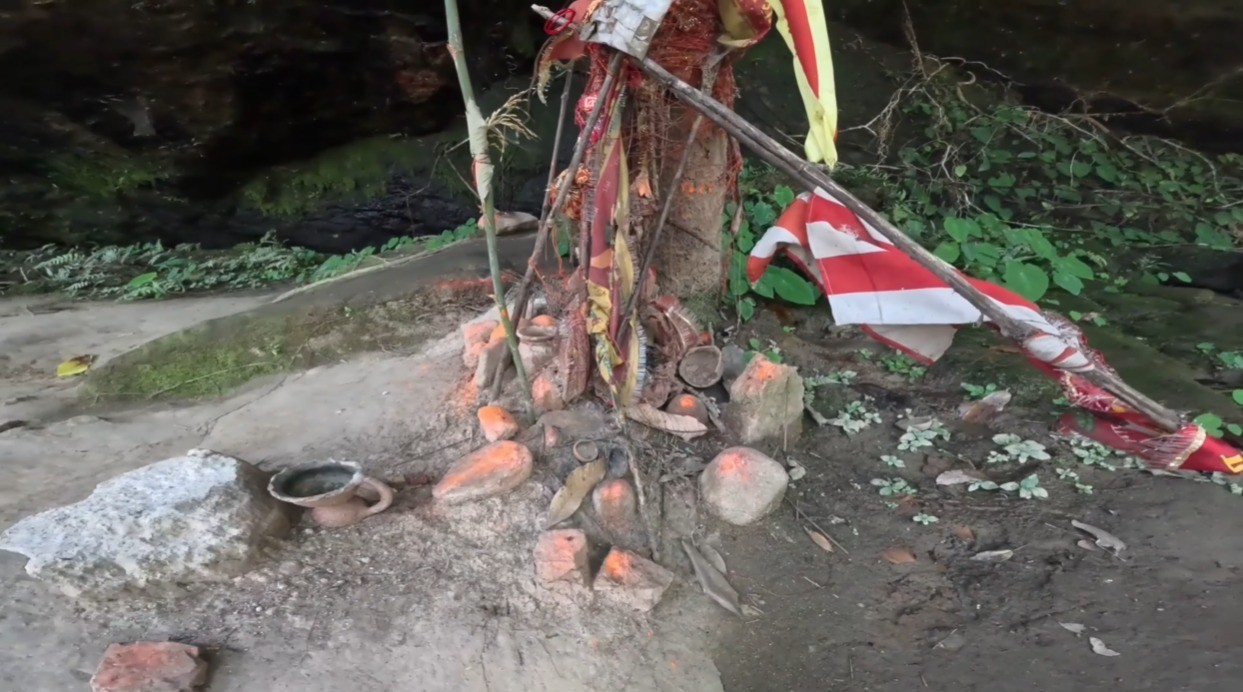
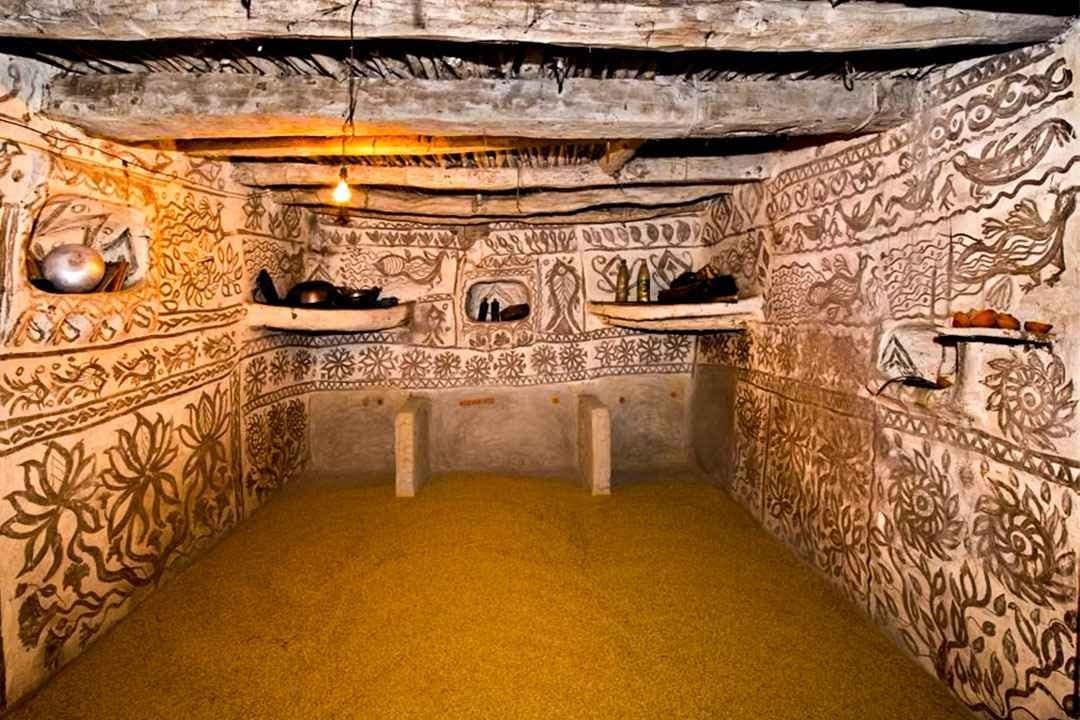
Isko Village Rock Art is a prehistoric art site in Hazaribagh district containing rock paintings estimated at 2,000 to 5,000 years old on granite outcrops near the village of Isko, 115 km from Ranchi. The site features a mix of cupules (cup-shaped depressions), linear engravings, and painted figures of animals and humans in red, white, and yellow ochre. Hazaribagh district has one of the highest concentrations of rock art in the Indian subcontinent, and Isko is among the most accessible documented sites.
Isko Village sits in the undulating granite landscape of Hazaribagh district, and the rock shelters and outcrop faces around the village carry some of the oldest visual art in eastern India. Researchers from the Indian Archaeological Survey and the Rock Art Society of India have documented dozens of panels here showing hunting scenes, geometric symbols, cupules, and stylised animal figures — primarily bison, deer, and abstract human forms — rendered in mineral pigments that have survived millennia of monsoon weathering. The Hazaribagh region's rock art tradition was largely brought to international attention through the work of Bulu Imam, a local cultural activist who catalogued hundreds of sites across the district from the 1990s onward. Isko is one of the nodes in this broader concentration. Walking between the rock shelters with a local guide reveals not just individual paintings but the layering of different artistic periods — some panels show overpainting from multiple eras, allowing visitors to read the site as a kind of chronological record of the communities that used these shelters over thousands of years. Isiting without a knowledgeable guide significantly reduces the experience, as many panels are not immediately visible to untrained eyes. The Sanskriti Centre in Hazaribagh town (run by the Imam family) connects visitors with guides and provides contextual information about the broader rock art landscape. The site itself has no fee, no formal infrastructure, and requires a short walk through farmland and scrub from the nearest metalled road.
Quick Info
October to March
Hazaribagh
heritage
Location
Hazaribagh District, Jharkhand · 115 km from Ranchi
Frequently Asked Questions About Isko Village Rock Art
Common questions about visiting Isko Village Rock Art, Jharkhand
Isko Village near Hazaribagh is famous for prehistoric rock paintings estimated 2,000–5,000 years old — animal figures, hunting scenes, and geometric symbols in red, white, and yellow ochre on granite outcrops. Hazaribagh has one of India's highest concentrations of rock art, and Isko is among its most accessible sites.
No entry fee is charged at Isko Village. However, hiring a local guide from the Sanskriti Centre in Hazaribagh is strongly recommended and a nominal guide fee applies. The site has no formal visitor infrastructure.
Drive from Ranchi on NH-33 to Hazaribagh (100 km), then 15 km further on the Barkagaon road. Total distance is 115 km, approximately 3 hours. A guide from the Sanskriti Centre in Hazaribagh is strongly recommended — the paintings are not easily visible without expert guidance.
October to March is best. The unpaved tracks to the site become difficult in monsoon, and cool dry weather makes the outdoor rock art walk comfortable. Morning visits in winter light show the pigments most clearly.
Looking for a Stay?
Find the best hotels and resorts near your destination
Need a Ride?
Book a comfortable AC car with driver for your Jharkhand trip
Explore More Destinations in Jharkhand
Continue your Jharkhand adventure with these nearby and similar destinations