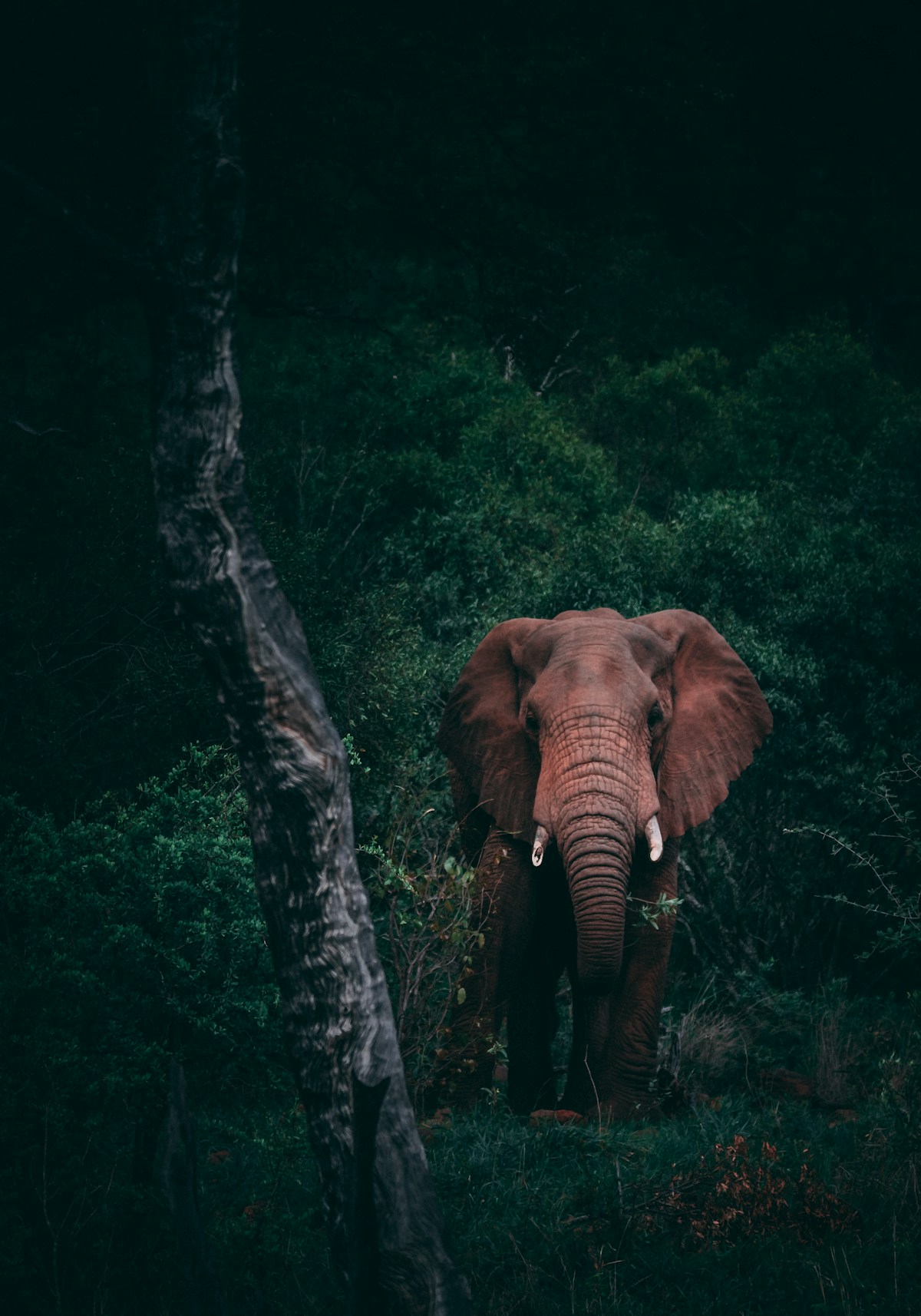
Barwadih Forest Heritage, Latehar
Barwadih Forest Heritage Latehar — Rock Art, Tribal Villages & Mahua Forest, Jharkhand
Ancient Rock Art, Forest Village Markets and Mahua Country at Latehar's Rural Heart
About Barwadih Forest Heritage, Latehar
Barwadih block in Latehar district is a rural forest area where prehistoric rock art sites, traditional Oraon and Munda tribal villages, and mahua forest represent the layered heritage of the Latehar plateau before industrialisation reached it. The Barwadih area rock art — similar in character to the Isko Village paintings near Hazaribagh — has been documented by local archaeologists and provides another window into the prehistoric occupation of the Chotanagpur Plateau.
Barwadih's character is shaped by the combination of historical depth — prehistoric rock art on the granite outcrops scattered through the forest — and the continuing living culture of the Oraon and Munda communities whose ancestors likely made those paintings and whose festivals and agricultural rhythms continue to be organised around the same forest landscape. The rock art at Barwadih is painted in the iron oxide (red ochre) pigment style common to Jharkhand's prehistoric sites, on smooth granite faces and overhangs that provided both working surface and natural shelter. The painted subjects — animal figures, human forms, hunting scenes — are the characteristic vocabulary of the hunter-gatherer communities that preceded the current agricultural Adivasi communities by several millennia. The mahua forest is the other distinctive element. Barwadih sits in one of the better-preserved mahua-dominant zones of the Latehar plateau — the large, spreading mahua trees (Madhuca longifolia) whose flowers fall in March–April and are collected by Adivasi communities for consumption, brewing, and sale. The mahua harvest is one of the fundamental economic and cultural events of the tribal calendar, and the landscape in early spring, with white flowers carpeting the ground under the mahua canopy, has a specific beauty. For travellers interested in tribal archaeology and living Adivasi culture in a single landscape, Barwadih provides this combination in an accessible but genuinely rural form.
Plan Your Visit
Get personalised travel recommendations for Barwadih Forest Heritage, Latehar
Enquire NowQuick Info
October to March
Latehar
heritage
Location
Latehar District, Jharkhand · 145 km from Ranchi
Barwadih Forest Heritage, Latehar
Latehar District, Jharkhand
Frequently Asked Questions About Barwadih Forest Heritage, Latehar
Common questions about visiting Barwadih Forest Heritage, Latehar, Jharkhand
Barwadih block in Latehar district contains prehistoric rock art sites with iron oxide paintings on granite outcrops — hunting scenes, animal figures, and human forms estimated to be 3,000–5,000 years old. They are similar in character and age to the documented Isko Village rock art near Hazaribagh.
Mahua (Madhuca longifolia) is a large forest tree whose flowers are collected by Adivasi communities in March–April for food, brewing, and sale. Barwadih's mahua-dominant forest is one of the better-preserved examples of this culturally important forest type in Latehar district.
Barwadih is 35 km from Latehar town on district roads — approximately 1 hour by vehicle. Local guides for rock art sites are available through village contacts or the Latehar Forest Division.
Looking for a Stay?
Find the best hotels and resorts near your destination
Need a Ride?
Book a comfortable AC car with driver for your Jharkhand trip
Explore More Destinations in Jharkhand
Continue your Jharkhand adventure with these nearby and similar destinations