Lupungutu Falls
Lupungutu Falls West Singhbhum — Tribal Forest Waterfall Near Chaibasa, Jharkhand
An Undiscovered Waterfall in the Ho Tribal Heartland of West Singhbhum
About Lupungutu Falls
Lupungutu Falls is a tribal forest waterfall in West Singhbhum district, Jharkhand, located near the Lupungutu village inside the tribal belt of the Singhbhum hills. This relatively undocumented waterfall is characteristic of the many seasonal and perennial cascades that emerge from the laterite and granite formations of the Chotanagpur Plateau edge in the region. Its remoteness and the surrounding Ho tribal landscape make it an authentic off-grid waterfall experience.
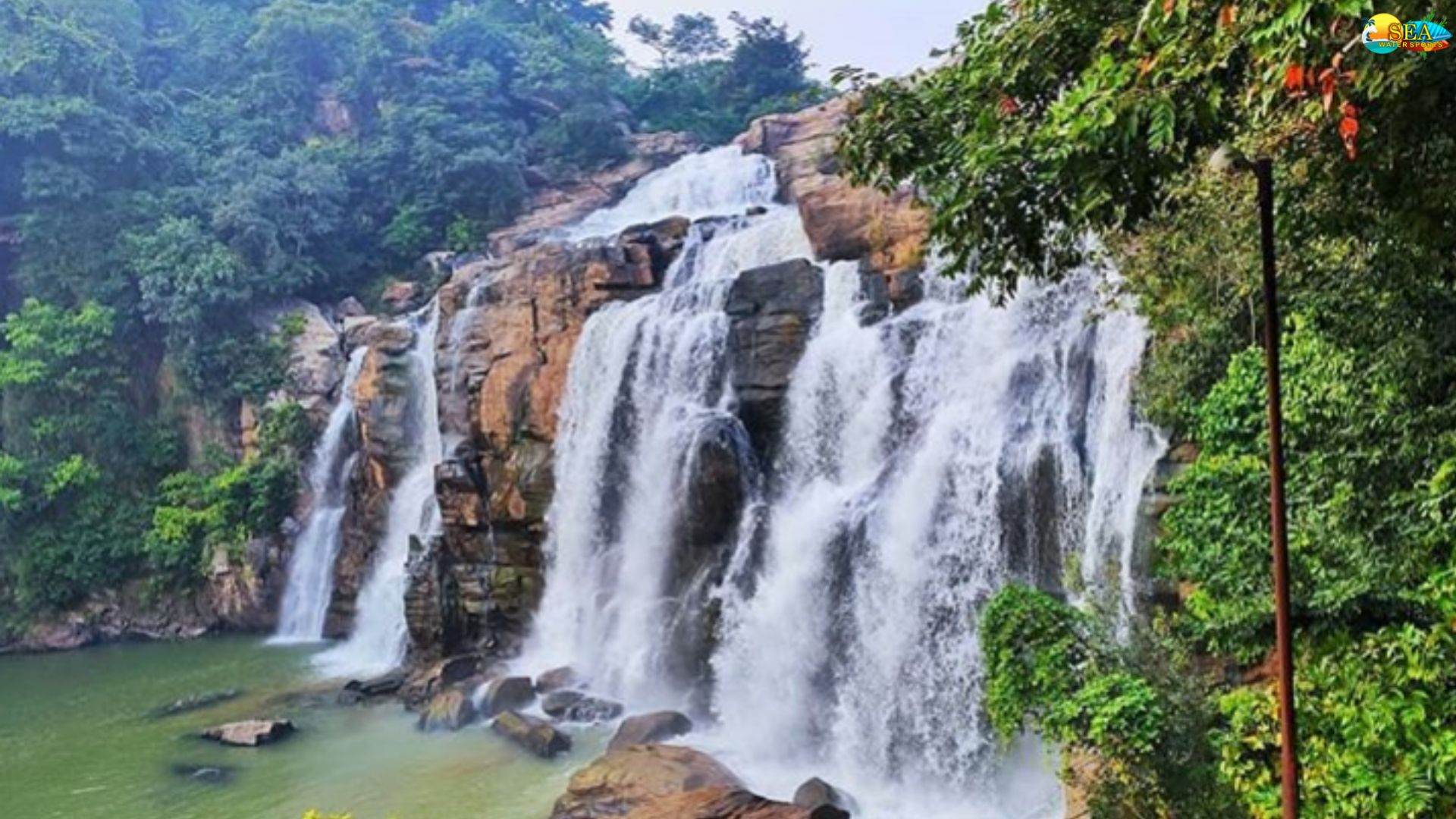
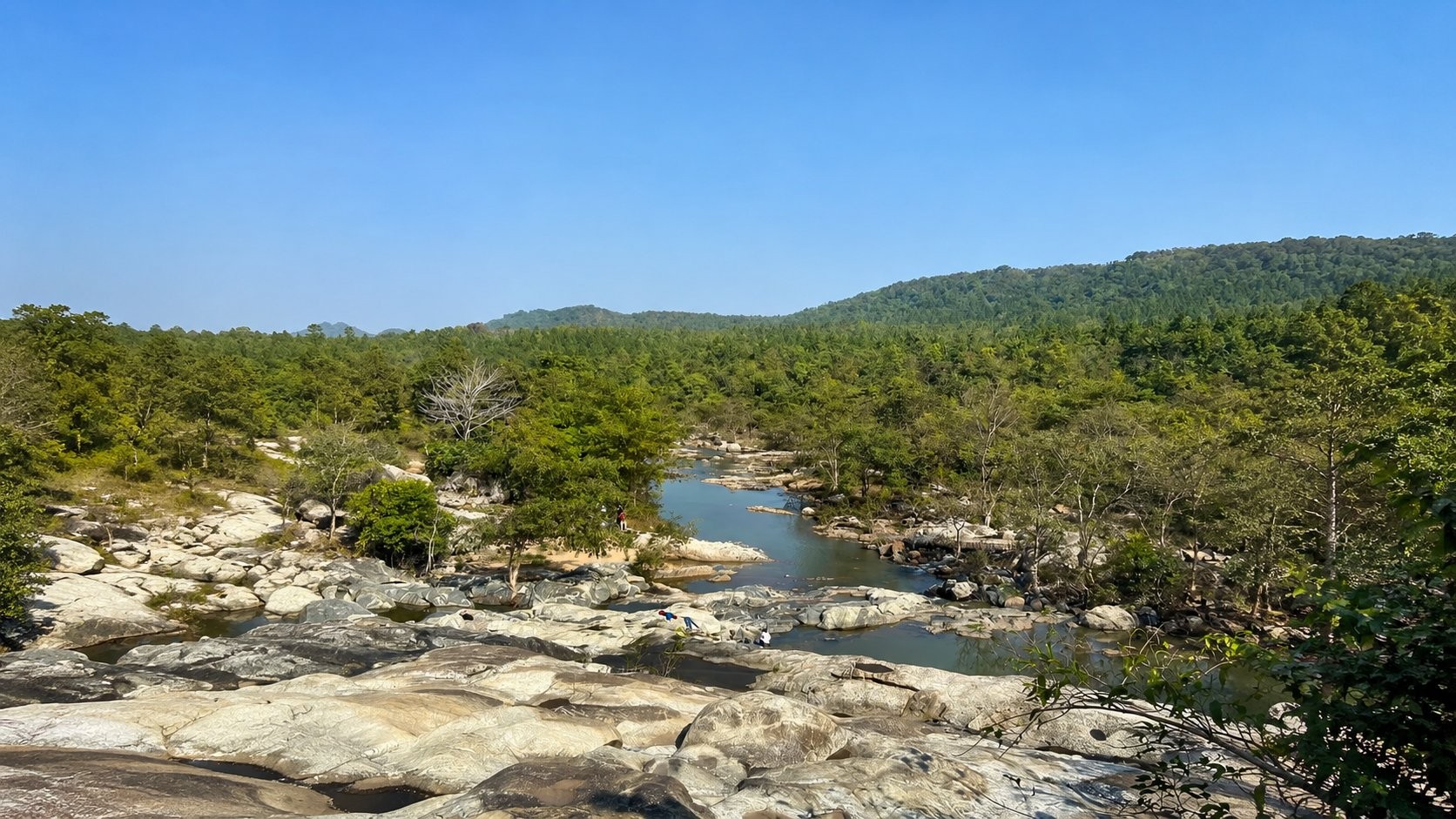
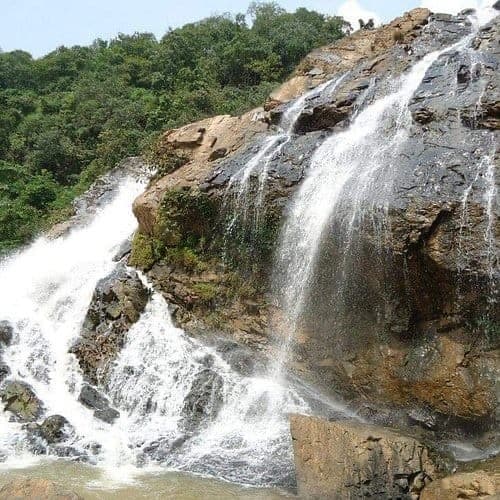
Lupungutu Falls flows through a forested ravine in the Ho tribal belt of West Singhbhum, fed by a stream that drains the laterite-capped hills above Lupungutu village. The waterfall is seasonal, carrying its most impressive volume from August through November immediately after the monsoon, before moderating to a steady smaller cascade that persists through February in normal rainfall years. The surrounding landscape is defined by the Ho community's relationship with the land: small mud-walled houses with traditional thatched roofs, a village sacred grove (jaher) at the forest edge where tribal ritual life continues, and paddy terraces cut into the hillsides around the stream that feeds the falls. Visiting Lupungutu means entering a functioning tribal community space, not a managed tourist site. The waterfall itself drops through a double-stage fall over granite, creating a pool at each stage. The lower pool is swimmable in the October–November period when water is clear and volume is moderate. The surrounding forest — a mix of sal, bamboo, and miscellaneous secondary growth — provides complete shade and harbours the birdlife typical of the West Singhbhum hills. Access requires local knowledge — the village is on no major road and the final approach is typically a footpath from the village centre. Hiring a local guide from Chaibasa or the nearby town is strongly advised. The experience rewards the effort with a genuinely unvisited waterfall in an authentic Ho tribal landscape.
Quick Info
August to February
West Singhbhum
nature
Location
West Singhbhum District, Jharkhand · 175 km from Ranchi
Lupungutu Falls
West Singhbhum District, Jharkhand
Frequently Asked Questions About Lupungutu Falls
Common questions about visiting Lupungutu Falls, Jharkhand
Lupungutu Falls requires local navigation from Chaibasa (155 km from Ranchi). The falls are near Lupungutu village in the West Singhbhum tribal belt — a private vehicle and local guide from Chaibasa are essential. There are no tourist signs or formal access infrastructure.
The lower pool of Lupungutu Falls is suitable for swimming in October and November when water is clear and volume moderate. Avoid during monsoon (July–September) when currents are strong and water visibility low.
August to February. Peak flow is immediately post-monsoon (August–November) when the falls carry their maximum volume. October to November is ideal for a combination of good water and dry footpaths. The falls reduce significantly from March onwards.
Looking for a Stay?
Find the best hotels and resorts near your destination
Need a Ride?
Book a comfortable AC car with driver for your Jharkhand trip
Explore More Destinations in Jharkhand
Continue your Jharkhand adventure with these nearby and similar destinations