Rajmahal Hills
Rajmahal Hills Sahibganj — Jurassic Era Plant Fossils on the Ganges 380 km from Ranchi
Jharkhand's Jurassic Fossil Coast — 150-Million-Year-Old Plant Fossils on the Ganga
About Rajmahal Hills
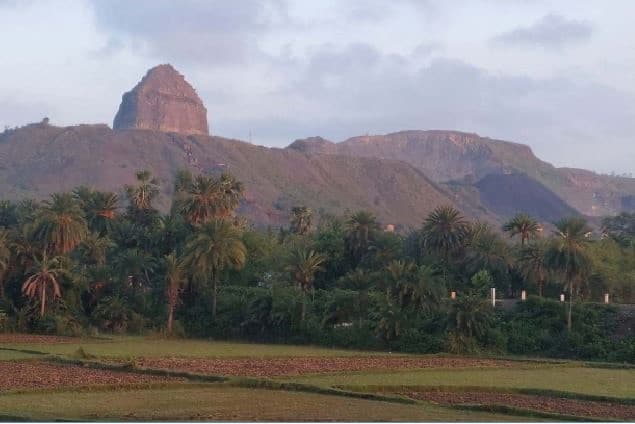
Rajmahal Hills in Sahibganj district contain one of India's most significant Jurassic-era plant fossil deposits — the Rajmahal Formation — with fossils dated at 150–155 million years old embedded in basalt and sedimentary rock outcrops along the Ganges. The fossil beds include fern fronds, cycad trunks, and early flowering plant impressions, discovered and described by European geologists in the 19th century. The area also served as the Mughal imperial capital under Akbar in the late 16th century.
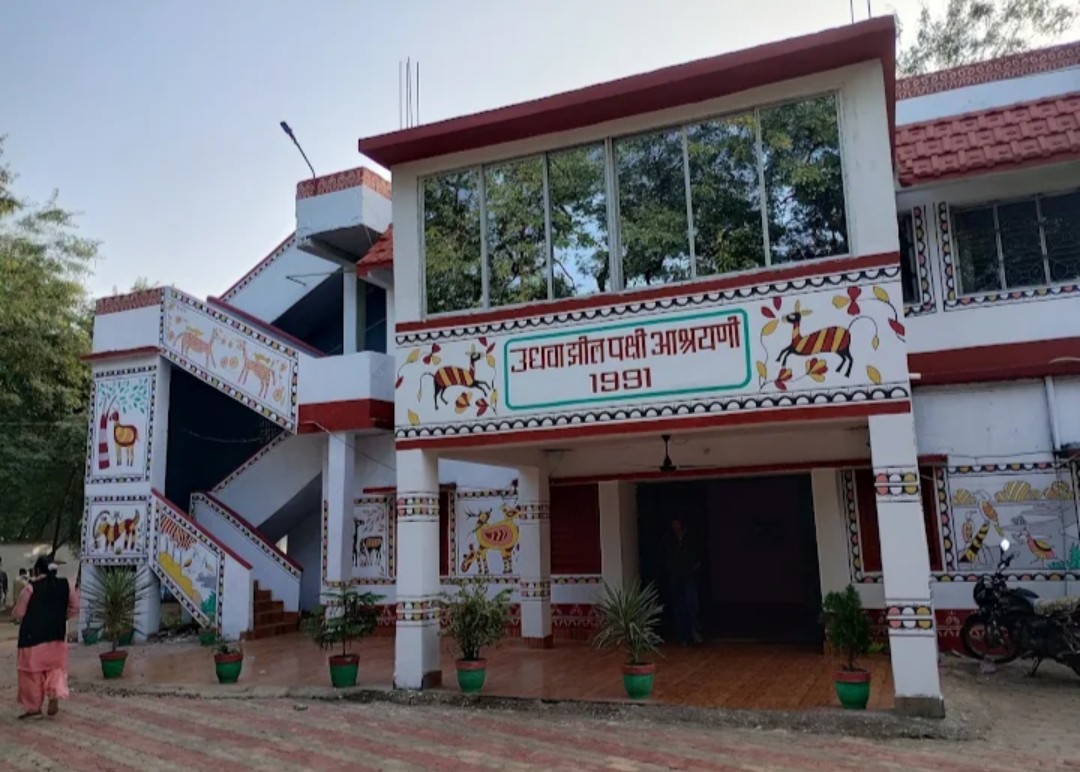
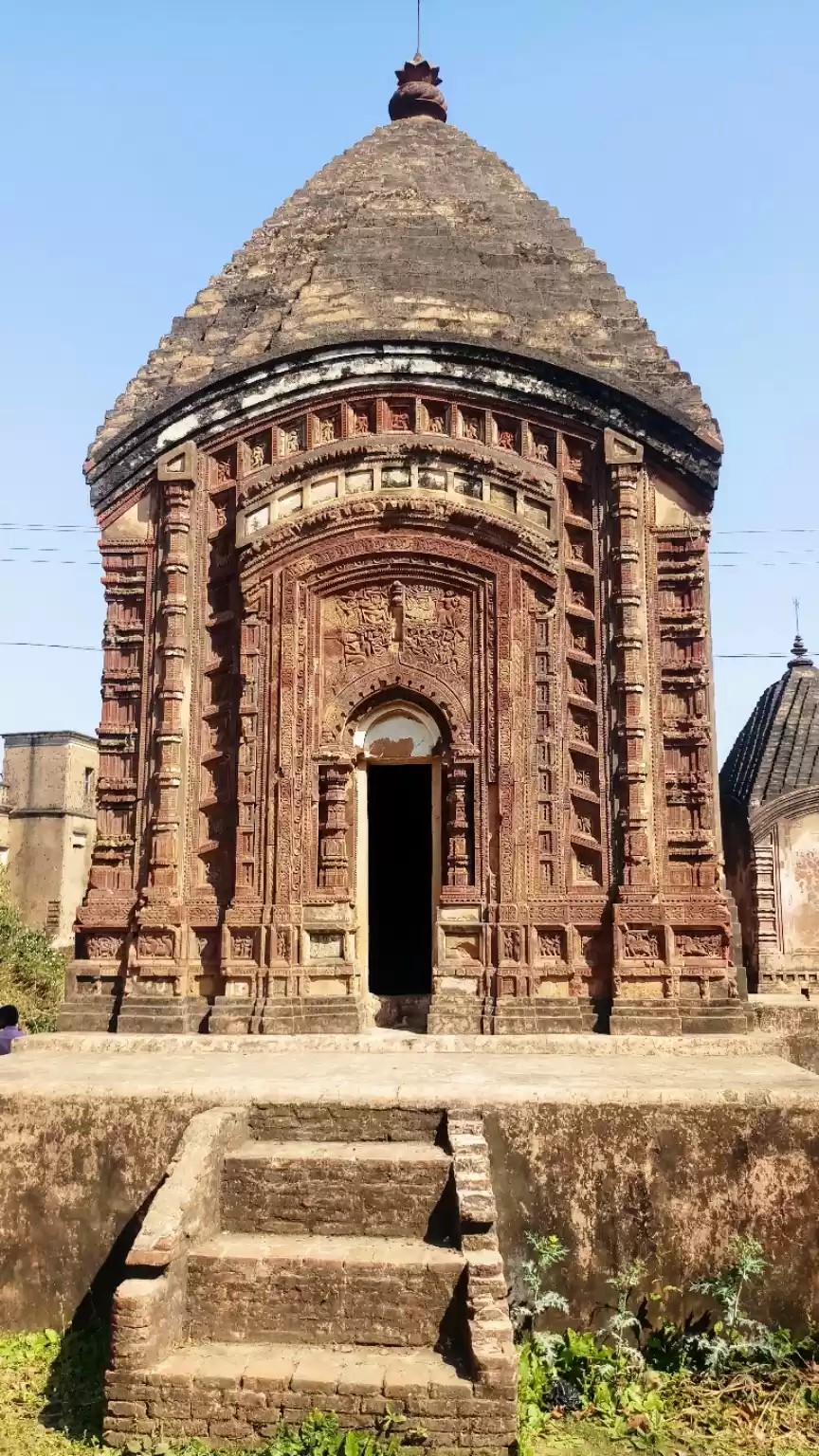
The Rajmahal Hills occupy the northernmost tip of the Chotanagpur plateau where it meets the Ganga plain, and their geological significance lies in what they contain: the Rajmahal Formation, a series of Jurassic lava flows and interbedded sedimentary deposits that have yielded fossil plant material dated to 150–155 million years ago. Fern fronds, cycad trunks, bennettitalean leaves, and early angiosperm specimens have been recovered from the basalt and shale outcrops — material that has contributed to understanding of Gondwanaland's vegetation in the Jurassic period. The fossil site is complemented by the area's historical significance. Rajmahal town was the Mughal imperial capital under Akbar (1592–1608) and later under Shahjahan, and the ruins of Mughal-era structures — including the Akhuni Mosque, residences, and remnants of the riverside fortification — remain partially intact among the basalt hills. The combination of deep geological and medieval historical layers makes Rajmahal an unusually layered destination. Practically, a visit to the fossil beds requires a knowledgeable guide who can identify the relevant rock exposures — unguided visitors will often struggle to locate the fossil-bearing strata among the basalt outcrops. The Rajmahal area is combined with Udhwa Lake Bird Sanctuary (15 km) on the same day by most visitors from outside the district.
Quick Info
October to March
Sahibganj
heritage
Location
Sahibganj District, Jharkhand · 380 km from Ranchi
Rajmahal Hills
Sahibganj District, Jharkhand
Frequently Asked Questions About Rajmahal Hills
Common questions about visiting Rajmahal Hills, Jharkhand
Rajmahal Hills in Sahibganj are famous for two distinct reasons: (1) the Rajmahal Formation, one of India's most significant Jurassic-era plant fossil deposits (150–155 million years old), and (2) as the site of the Mughal imperial capital established by Akbar in 1592. Fossil beds, Mughal ruins, and Ganga river views are the main draws.
Rajmahal is approximately 380 km from Ranchi via Hazaribagh, Dumka, and Sahibganj — about 8 hours by car. From Sahibganj town it is 40 km. Rajmahal railway station is well-connected from Kolkata and Patna.
Yes — fossil plant material (fern fronds, cycad trunks) is embedded in basalt and shale outcrops around Rajmahal town. A local guide is essential to locate the relevant rock exposures. The fossils are in situ in the rock — this is a field site, not a museum.
Looking for a Stay?
Find the best hotels and resorts near your destination
Need a Ride?
Book a comfortable AC car with driver for your Jharkhand trip
Explore More Destinations in Jharkhand
Continue your Jharkhand adventure with these nearby and similar destinations