Rajmahal Hills Fossil Park, Sahibganj
Rajmahal Fossil Park Sahibganj — Gondwana Plant Fossils, Jharkhand Geological Heritage
130-Million-Year-Old Gondwana Plant Fossils — India's Most Important Palaeobotanical Site
About Rajmahal Hills Fossil Park, Sahibganj
The Rajmahal Hills in Sahibganj district contain one of India's most significant concentrations of Gondwana-era plant fossils, dated to approximately 130–100 million years ago from the Jurassic–Cretaceous boundary. The fossil beds at Rajmahal have yielded specimens of ancient ferns, cycads, ginkgos, and early flowering plants that document a crucial period of terrestrial plant evolution, making the site one of global palaeobotanical significance.
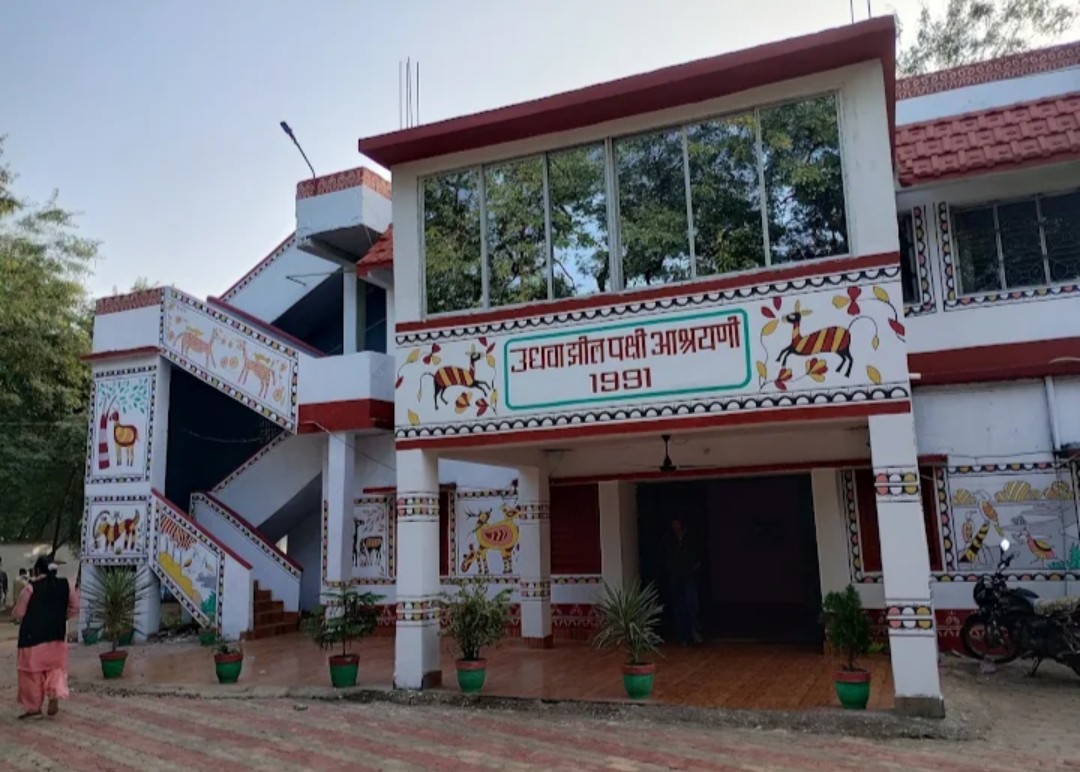
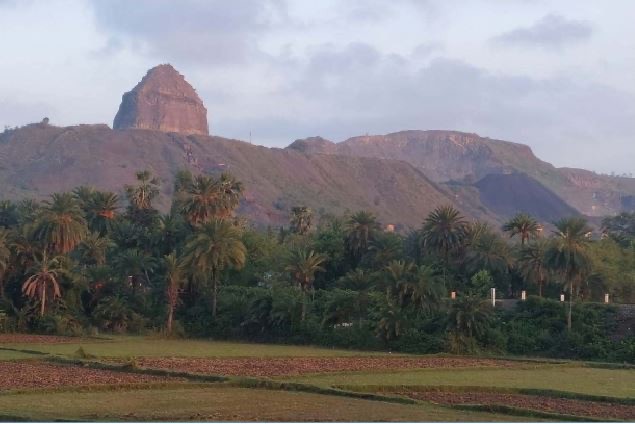
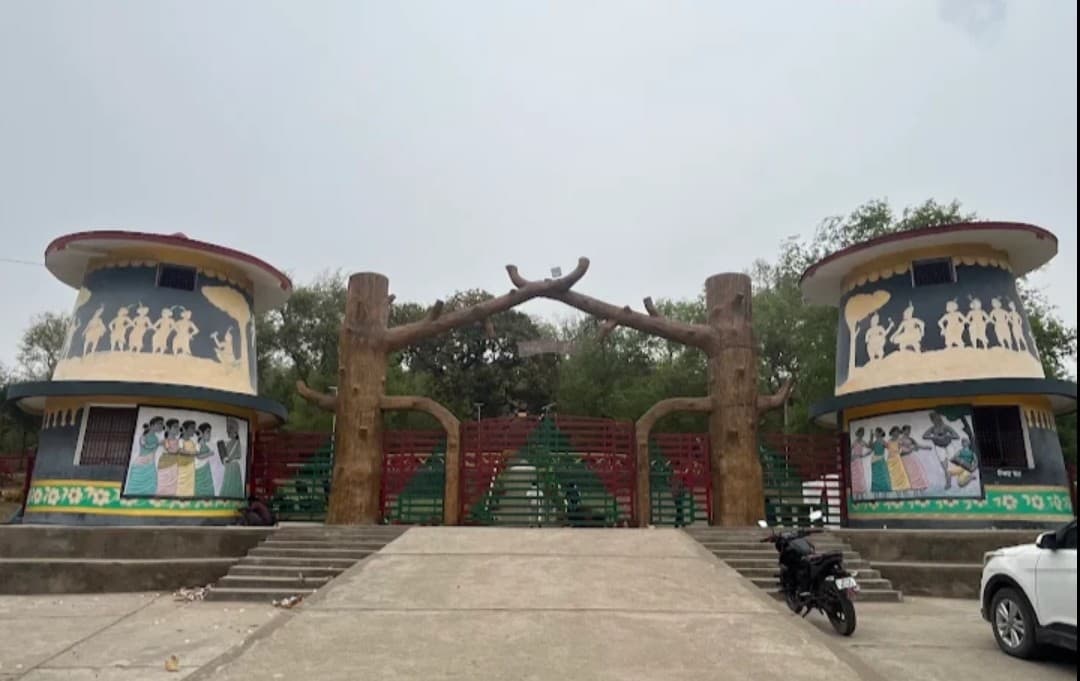
The Rajmahal Hills rise above the Ganga plain at Sahibganj as a distinct basalt plateau — volcanic rocks from the Rajmahal Traps eruption that accompanied the rifting of the Indian subcontinent from the Gondwana supercontinent approximately 115 million years ago. Interbedded with these basalts are sedimentary layers rich in plant fossil impressions — the flora that grew in the swampy lowlands around the eruption centres. The fossil assemblage at Rajmahal is dominated by the Gondwana flora — Glossopteris leaves that are the classic signature of the ancient supercontinent, giant tree ferns, cycads, and ginkgos — with the remarkable addition of some of the earliest known flowering plant (angiosperm) specimens anywhere in the world. The transition from spore-bearing plants and gymnosperms to flowering plants is documented in the Rajmahal beds in a way that has made the site internationally important for plant evolution research. The geological park concept at Rajmahal is in development, with a small interpretation facility established near the main fossil outcrop areas. The fossil beds themselves are accessible on foot from the main road through the hills, and specimens of the most common fossil types — leaf impressions, stem sections — can be seen in the exposed rock faces without excavation. For visitors who have seen the general Rajmahal Hills landscape from the Ganga eco-tourism site, the fossil park adds a temporal depth — the same hills that are now scenic viewpoints were once part of the Gondwana lowland forest, and the fossils underfoot are the physical remnants of those ancient trees.
Plan Your Visit
Get personalised travel recommendations for Rajmahal Hills Fossil Park, Sahibganj
Enquire NowQuick Info
October to March
Sahibganj
heritage
Location
Sahibganj District, Jharkhand · 340 km from Ranchi
Rajmahal Hills Fossil Park, Sahibganj
Sahibganj District, Jharkhand
Frequently Asked Questions About Rajmahal Hills Fossil Park, Sahibganj
Common questions about visiting Rajmahal Hills Fossil Park, Sahibganj, Jharkhand
The Rajmahal Hills contain one of the world's most important Gondwana plant fossil assemblages — 130-million-year-old impressions of Glossopteris, tree ferns, cycads, and some of the earliest known flowering plants. The fossil beds provide evidence of a critical period of plant evolution at the Jurassic–Cretaceous boundary.
The fossil park is 30 km from Sahebganj town, accessible by vehicle on the road into the Rajmahal hills. Sahebganj has a railway junction on the East Coast main line. From Ranchi, the drive via Deoghar and Dumka is approximately 340 km.
Rajmahal Hills (rajmahal-hills-sahibganj) covers the broader hills landscape and its cultural heritage. The Rajmahal Fossil Park is the specific geological heritage — the outcrop areas where fossil plants are visible in the Gondwana sedimentary beds interbedded with the Rajmahal Traps basalt.
Looking for a Stay?
Find the best hotels and resorts near your destination
Need a Ride?
Book a comfortable AC car with driver for your Jharkhand trip
Explore More Destinations in Jharkhand
Continue your Jharkhand adventure with these nearby and similar destinations